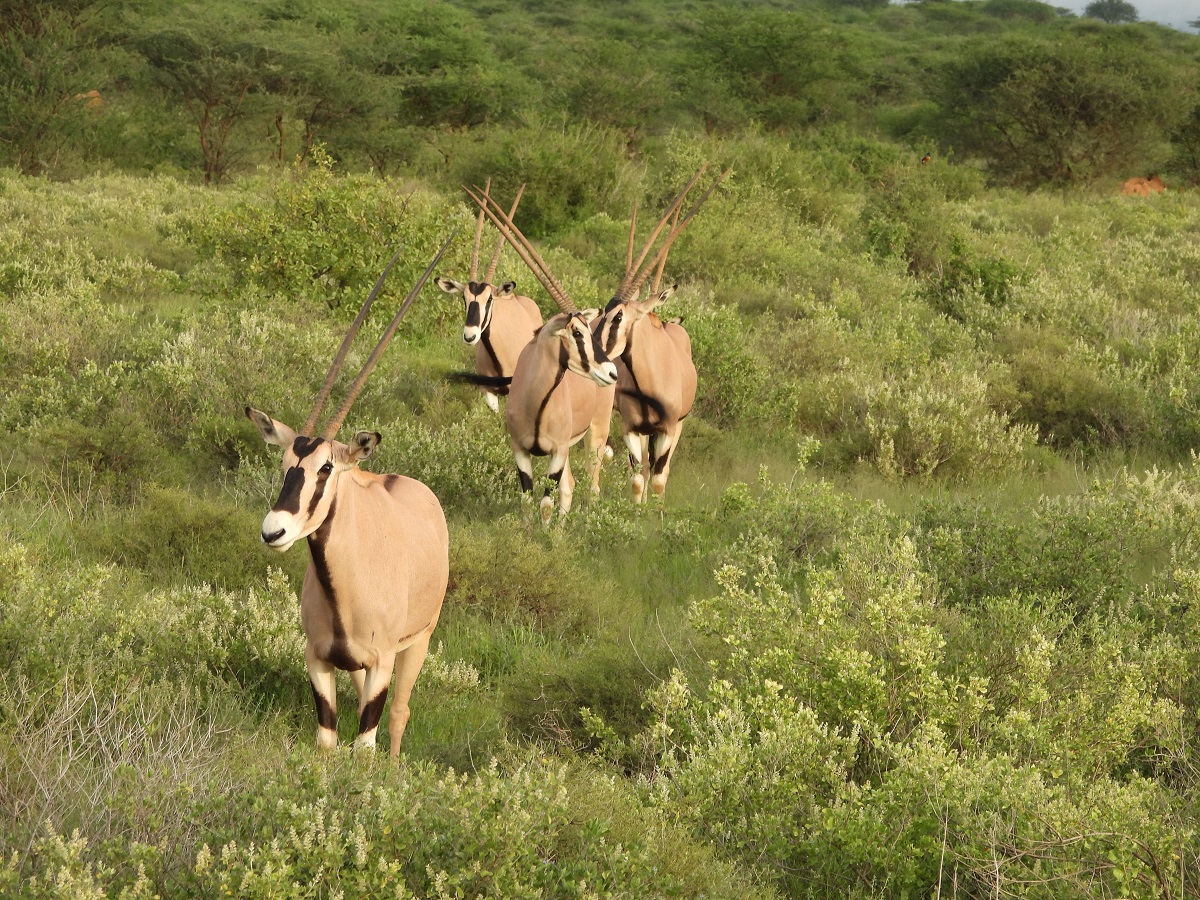
Samburu National Reserve, measuring only 165 square kilometers, is one of the key wildlife destinations of northern Kenya. The reserve hosts a number of wildlife that is unique to this region of the country, which makes it a great addition to any Kenya wildlife trip itinerary. While most people visit the more popular and crowded destinations of the south for the big game, Samburu offers are more intimate wildlife experience with fewer tourists – and yet you still get to see most of the favorite wild animals of the safari that Kenya is famous for.
Why Samburu National Reserve is special
The landscape
Samburu National Reserve is located in Kenya’s semi-arid north, in the mountainous region between the Aberdare ranges and Mount Kenya. Despite the dry conditions the reserve is surprisingly lush – a striking mix of dense scrubland, rugged rocky hills covered in greenery and riverine forest. The rocky landscape is crossed by several sand rivers that fill with water during the rains but quickly dry after the downpour, leaving behind oasis-like stretches lined with riverine vegetation. In the far distance, Mountain Kenya – Africa’s second highest mountain, can be seen towering over the beautiful rugged landscape.
The Ewaso Nyiro River is the reserve’s major water source that provides water for the big game such as the elephants. The river is also the boundary that separates the reserve from the neighboring Buffalo Springs National Reserve. The two reserves share essentially the same ecosystem and are often visited together.
Wildlife
The Samburu Special Five
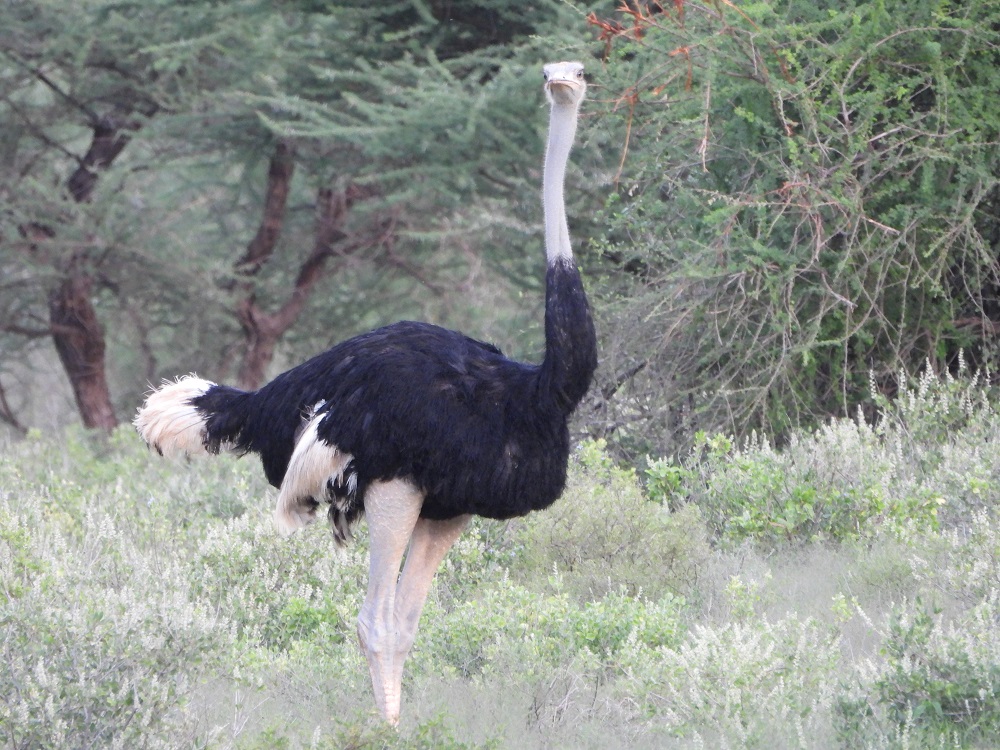
The highlight of any Samburu safari is the chance to see the Samburu Special Five. The Samburu Special Five are the animals that are unique to this region of the country. You will not find these in Masai Mara or other southern destinations.
These are;
- Reticulated Giraffe
- Beisa Oryx
- Grevy’s Zebra
- Gerenuk
- Somali Ostrich
Big Cats and Predators
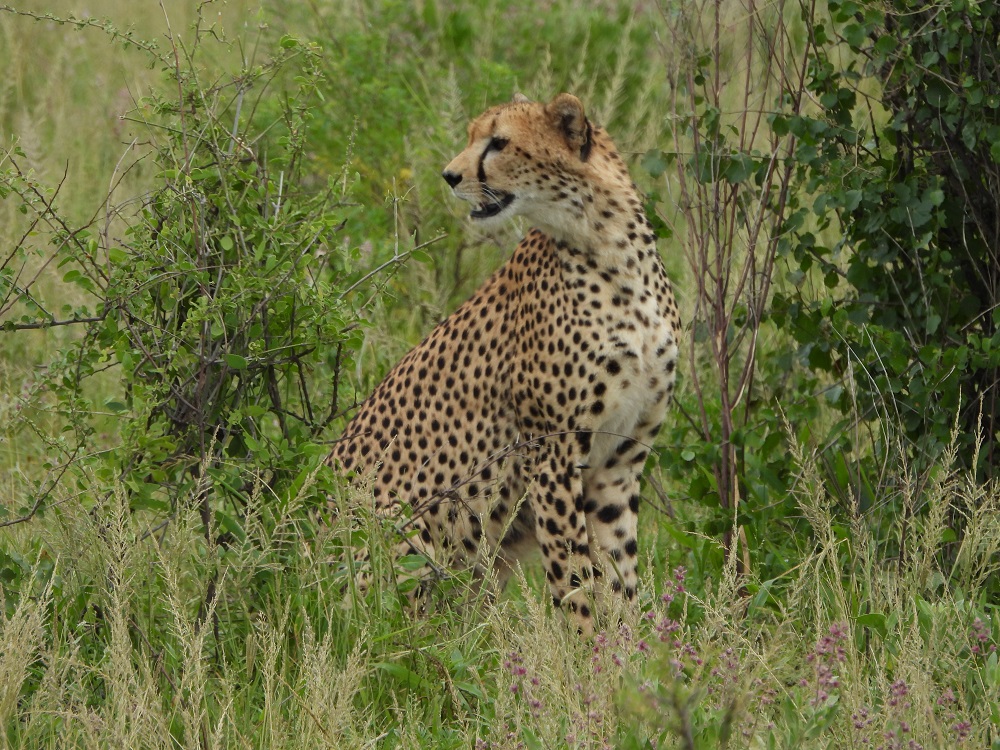
Samburu has a healthy population of big cats. Lions, cheetahs, and leopards are all regularly sighted, making it one of the Kenya’s more reliable reserves for predator viewing. Other predations include hyenas and black-backed jackals.
Elephants
Samburu is home to a large population of elephants. Visitors are stuck by the reddish tint to the elephants’ skin – this is not their natural color, but dust from bathing in Samburu’s red soil, which coats their hide and gives them a distinctive appearance. You will also other elephants like these in Tsavo.
Dik-Dik
The tiny Dik-dik, one of the smallest antelopes in Africa, is common throughout the reserve and a charming sight on the game drives.
Birdlife in Samburu National Reserve
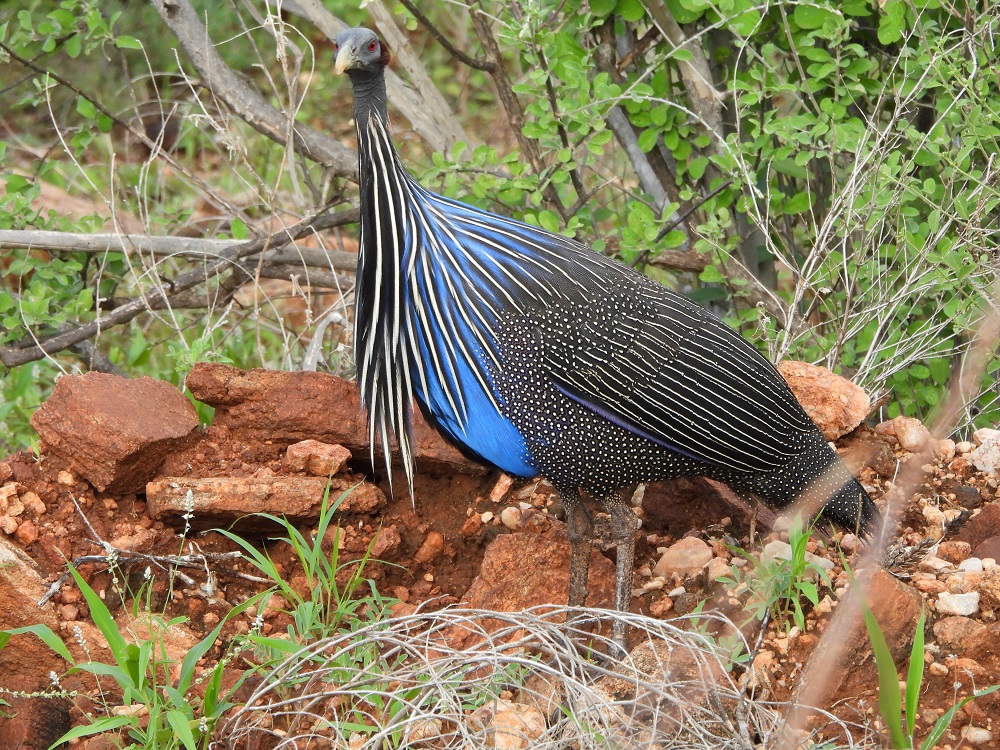
Samburu’s birdlife is very impressive with lots of savannah birds and birds of the semi-arid regions. For many birders it is included in birding itineraries for dry-countries birds of northern Kenya and the Somali biome restricted species.
Some of the birds include Kori Bustard, Martial Eagle, Somali Ostrich, Vulturine Guineafowl, Northern Red-billed Hornbill, Chestnut Weaver, White-headed Buffalo-Weaver, White-browed Sparrow-Weaver, Gray Wren-Warbler, Chestnut-bellied Sandgrouse, Rufous Charterer, Spotted Morning-Thrush, Superb Starling, Blue-napped Mousebird, White-headed Mousebird among others
Samburu is also the range of the William’s Lark one of Kenya’s endemic birds.
The Samburu People
The Samburu people are the predominant community of this region, and they still live a traditional lifestyle that is fascinating to witness. Their manyatta homesteads, vibrant bead jewelry, colorful dress are visually striking, and their dances and ceremonies remain an important part of daily life. Unlike the Masai who keep cows, the Samburu keep a lot of sheep and goats.