February 6, 2026
Budongo Forest – Kaniyo Pabidi or Royal Mile
Budongo Forest is the biggest forest in east Africa and part of it extends into the southern parts of Murchison Falls National Park. If you are departing from Kampala for your trip to the park, which is the case most times, you will access the park through the south and therefore going through Budongo forest first.
Birdwatching, chimp tracking and other Budongo forest activities in Murchison Falls National Park are done at Kaniyo Pabidi that is located near southern park entrance of Kichumbanyobo.
You can overnight in Masindi town at Masindi Hotel and set off early to bird at Kaniyo Pabidi or stay at the luxurious Pabidi located at Kaniyo Pabidi.
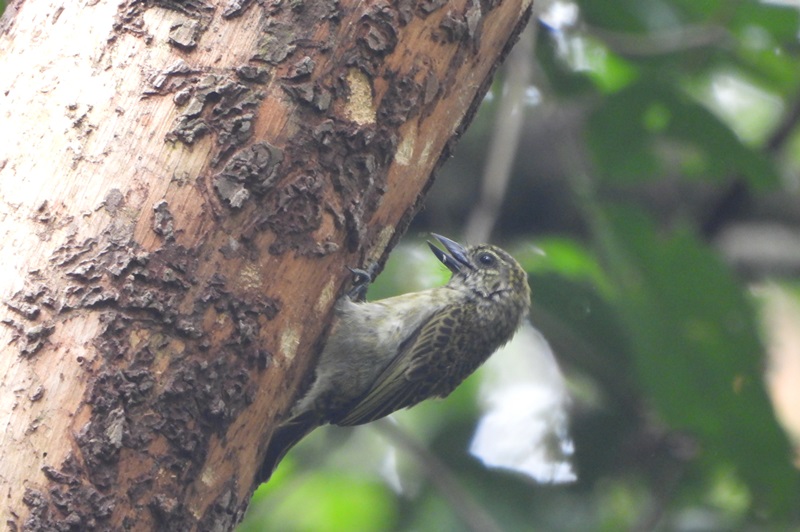
Budongo Forest has more than 360 bird species. Some of the special birds to tick off include; Chocolate-backed Kingfisher, Dwarf Kingfisher, White-thighed Hornbill, Chestnut-capped Flycatcher, etc…
Kaniyo Pabidi is one of the reliable places to tick off the Puvel’s Illadopsis
Please note, the famous Royal Mile birdwatching trail of Budongo Forest is located outside the boundaries of Murchison Falls National Park. Many birders prefer birding on this trail.
The Woodland after Budongo forest
As you drive away from the Budongo forest in the south of the park heading north, before the River Nile and on the way to the top of the falls, this stretch turns into woodland that is great for birdwatching. However you will do roadside birding as there is no trail, so expect interruption from passing cars. The blue-eared starlings are quite common here.
Top of the Falls
After birding in Budongo forest (and woodland) the next stop is the Top of the Murchison Falls. The Murchison Falls are arguably the biggest highlight of the park and there lots of people going there to see this spectacle on the Nile. However, for the birders, they get something extra here, the Rock Pratincole. So far, this is proved to provide the best chances of spotting this bird in the region.
It is best to bird here in the morning before the crowds later in the day.
Boat trip to the delta
The park has the popular boat trip on the Nile going upstream to the bottom of the Murchison falls that most travelers to see the falls and watch plenty of game such as hippos, crocodiles and elephants. However, there is another boat trip going the opposite side, downstream to the delta point where the Nile pours into Lake Albert. This is the birdwatching boat trip because it is mostly done by birds.
This is a must do boat trip to bird along the Nile and the delta, enabling ticking off lots of waterfowl. The wetland at the delta is quite productive, and is one of the best places to see the Shoebill (perhaps only second to Mabamba Swamp)
The boat trip is approximately 3 – 4 hours long.
The Savannah on the northern bank of the Nile
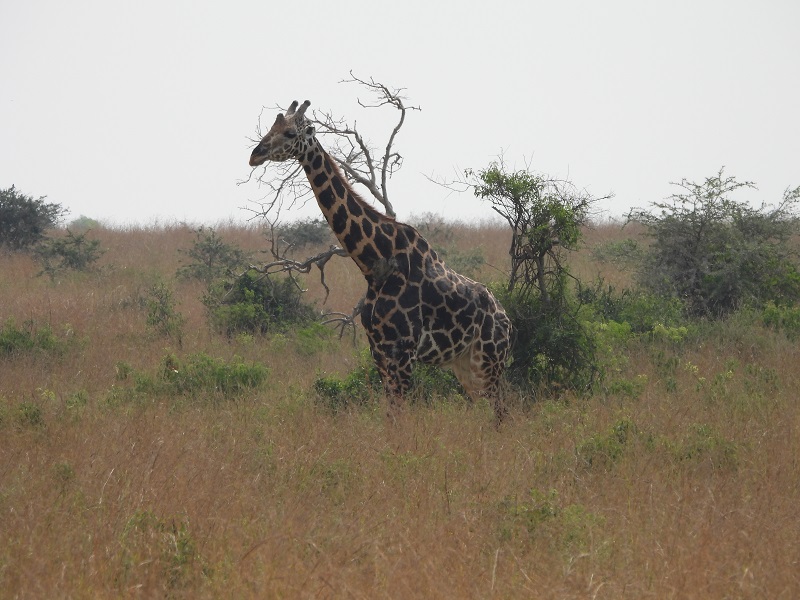
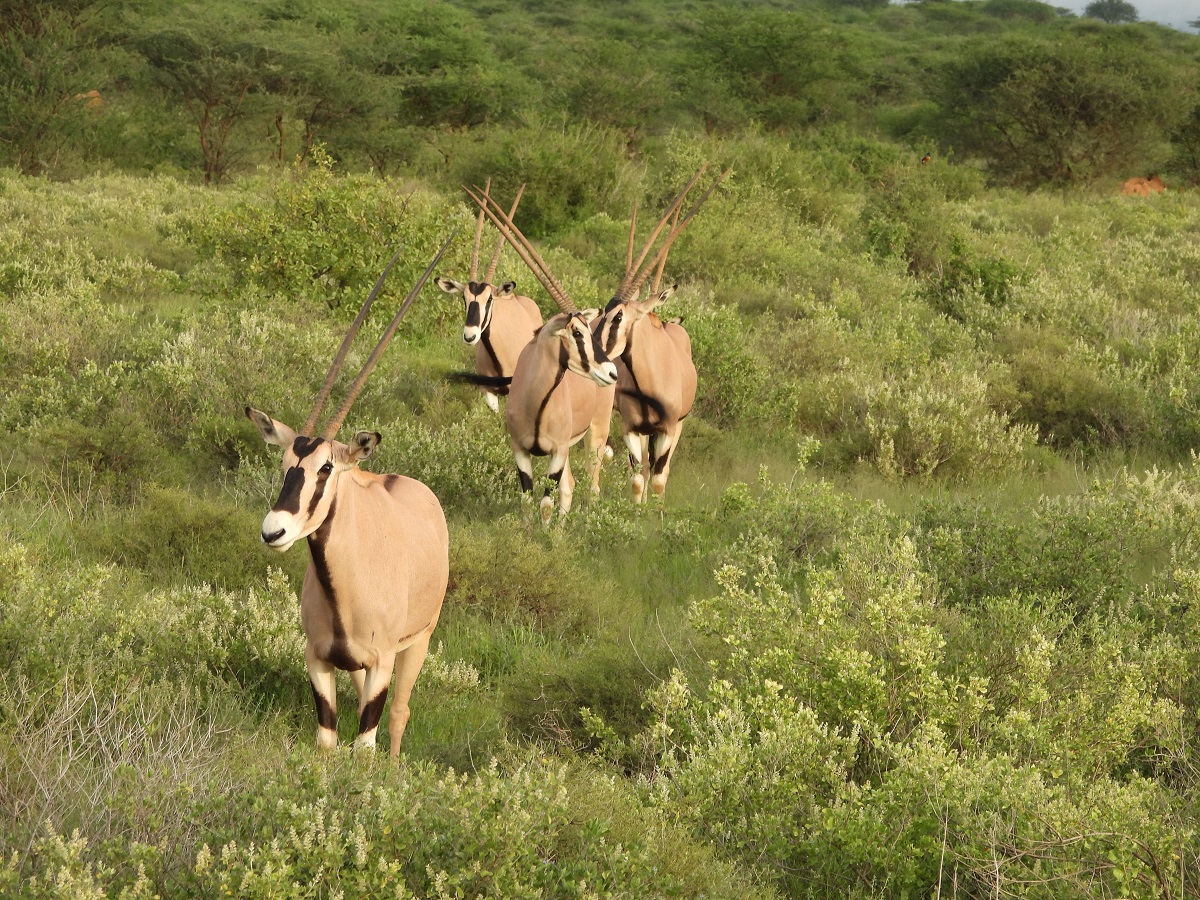
After crossing the Nile you enter into the beautiful savannah teeming with savannah birdlife and big game. The big game like elephants, buffaloes, antelopes which feed and trample on vegetation ensure this part of the park remains savannah. The Nile acts like a fence which keeps these animals from moving into the south, and is therefore the reason the south without many grazers is more forest, while the north maintains a savannah.
There are several trails here and therefore birding here is not limited. Since game drives are carried out on the northern side you will encounter several safaris cars. The extensive trail network enables visiting areas without cars and enjoy quiet birding.
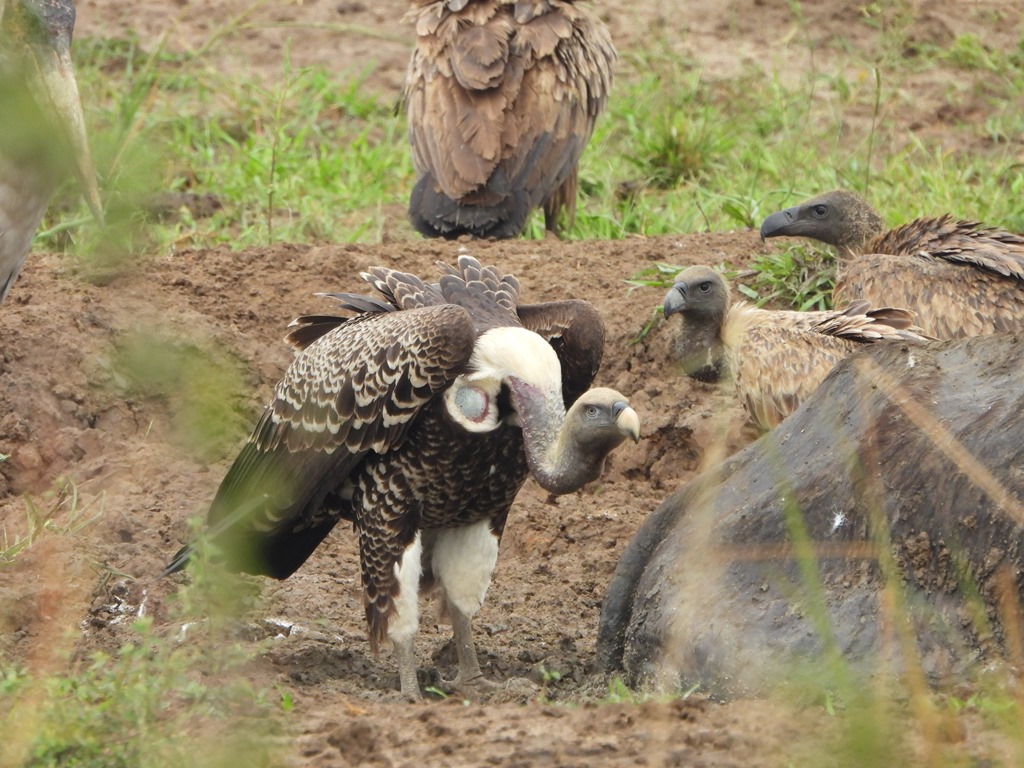
Carcasses of game like buffalo and antelope are converging points of scavengers such as vultures.
Some of the common birds this side include: Silverbird, Denham’s Bustard, Mourning Collared-Dove, Emerald-spotted Wood-Dove, Bateleur, Abyssinian Ground Hornbill, African Gray Hornbill, Gray-headed Kingfisher, Spotted Morning-Thrush, Northern Wheatear, Chestnut-crowned Sparrow-Weaver, etc…