May 5, 2026
What are the Samburu Special Five?
These are the Samburu Special Five — a collection of wildlife species found almost exclusively in this remote arid wilderness of northern Kenya, each one a compelling reason to venture beyond the well-trodden safari circuits of southern Kenya.
A safari in Samburu National Reserve and the surrounding region offers far more than a checklist. It delivers dramatic scenery, reliable big game sightings, and an encounter with the Samburu people — one of East Africa’s most distinctive communities. But for wildlife enthusiasts, spotting all five of these special species is the ultimate reward.
1. Reticulated Giraffe
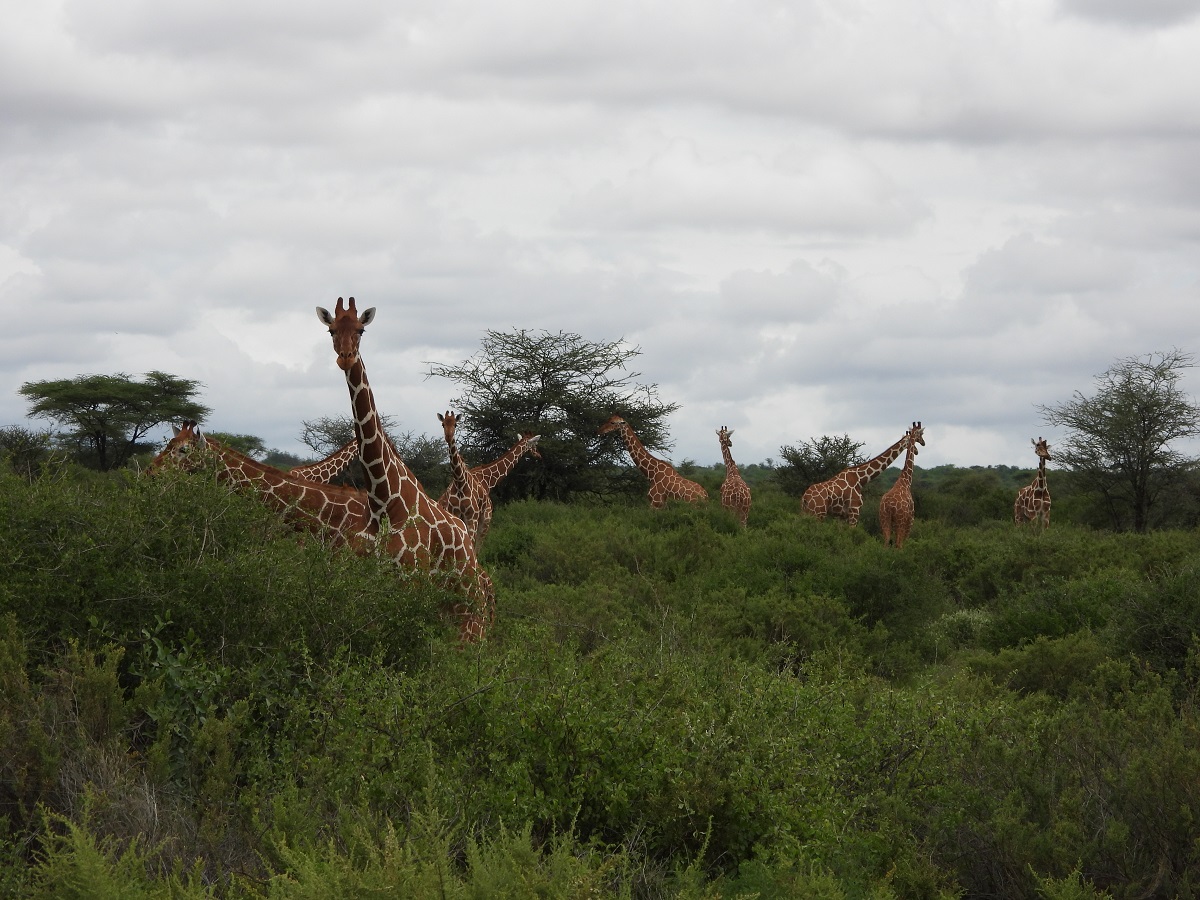
The reticulated giraffe is arguably the most iconic animal of northern Kenya — and many visitors consider it the most striking of all giraffe species. Its coat is defined by large, clearly defined chestnut-brown patches separated by bright white lines, creating a bold, almost geometric pattern that sets it apart from its cousins to the south.
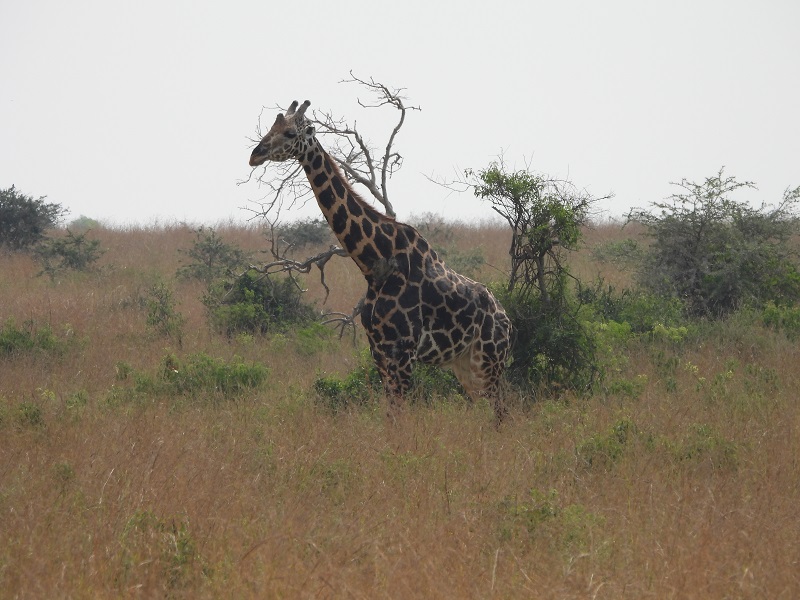
If you have already been on safari in the Masai Mara or other southern Kenya destinations, you will have seen the Masai giraffe — patchier and less defined in its markings. Travellers who have visited Uganda’s Murchison Falls or Lake Mburo National Parks may also be familiar with the Nubian (Rothschild’s) giraffe. The reticulated giraffe, however, is in a class of its own for sheer visual drama.
Samburu National Reserve is one of the best places in the world to see this species up close, often in large numbers along the banks of the Ewaso Ng’iro River.
2. Beisa Oryx
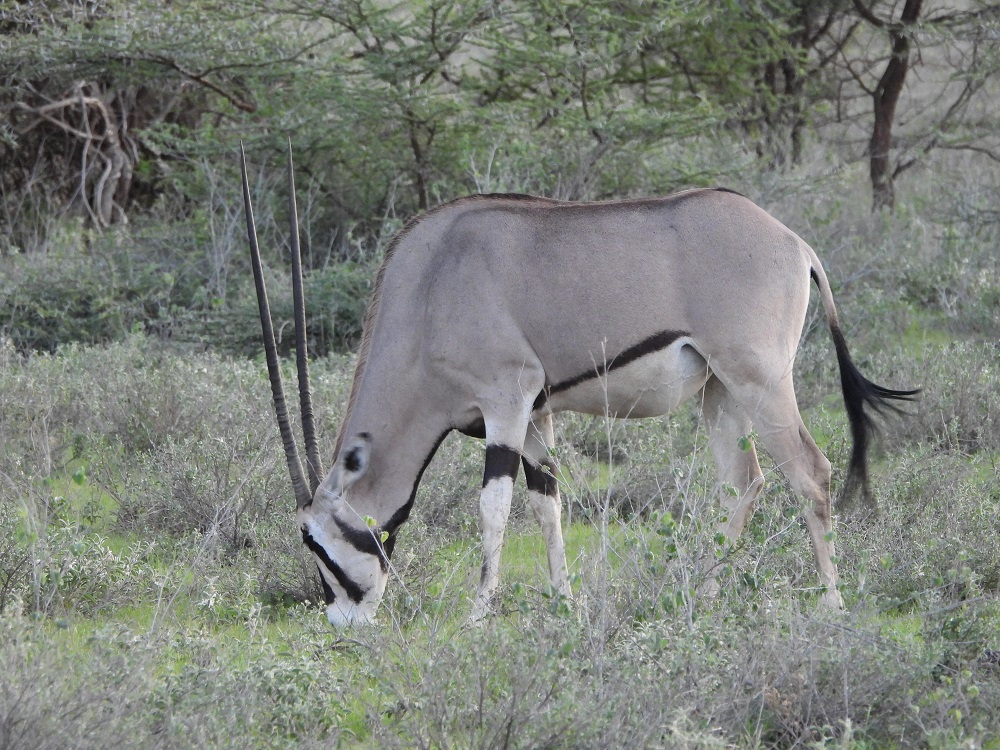
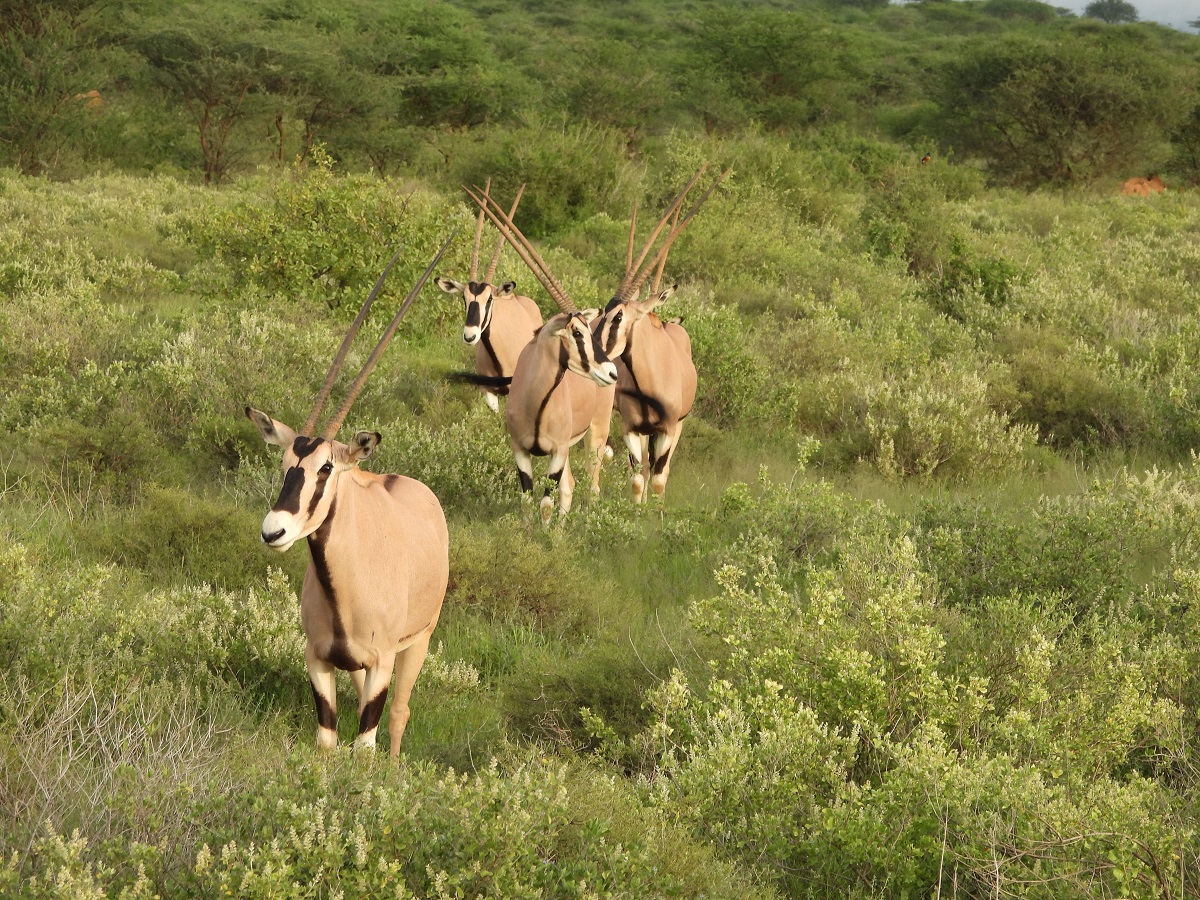
The Beisa oryx is a striking antelope built for the harsh conditions of northern Kenya. Its most memorable feature is its horns — long, straight, and sharply pointed, they project from the head like a pair of spears. So formidable are these horns that most predators, including lions, give the Beisa oryx a wide berth.
Well adapted to arid environments, Beisa oryx are often seen in herds moving through the open shrublands and dry riverbeds of Samburu. Their silver-grey coats, bold facial markings, and elegant silhouette make them one of the most photogenic animals in the reserve.
3. Gerenuk
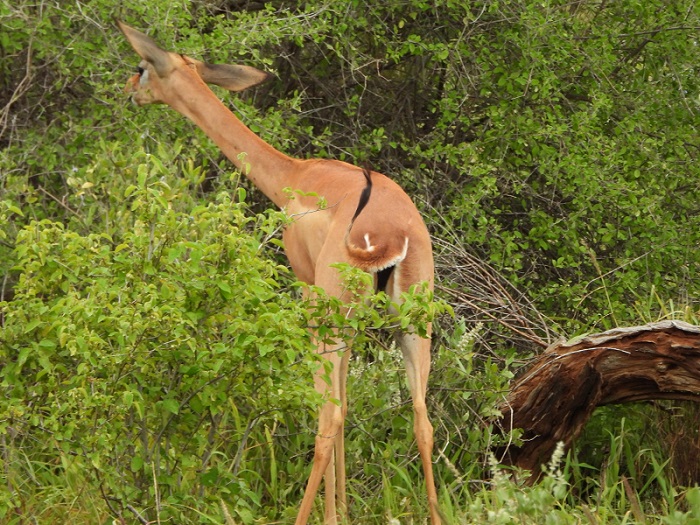
The gerenuk is one of Africa’s most peculiar and endearing antelopes. Its name means “giraffe-necked” in Somali, and it is easy to see why — its neck is disproportionately long even by antelope standards, earning it the nickname “little giraffe.”
What makes the gerenuk truly unforgettable is its feeding behaviour. Rather than grazing at ground level, it rears up onto its hind legs and stretches to full height to browse leaves from taller shrubs and acacia trees. This allows it to access food sources out of reach for most other antelopes — a smart adaptation for surviving in a competitive, dry environment. Watch for this pose during a game drive; it is one of the most remarkable sights in Samburu.
4. Grévy’s Zebra
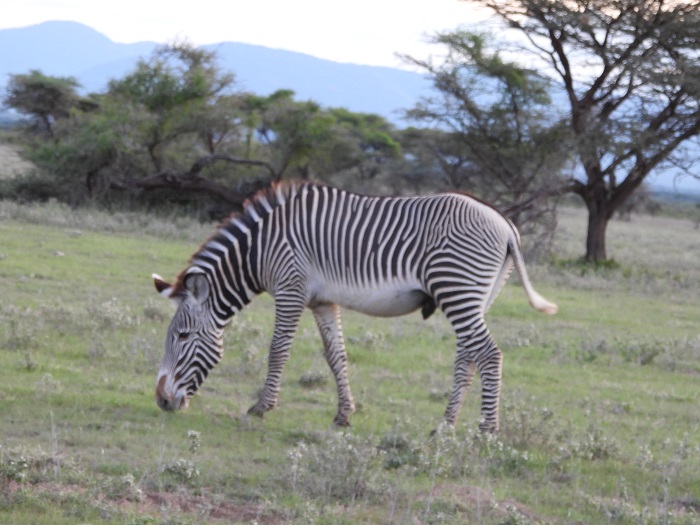
At first glance, a Grévy’s zebra may appear similar to the plains zebra you might have seen in the Mara or Serengeti — but look more closely and the differences become clear. The Grévy’s has significantly thinner, more closely spaced stripes, a larger and more rounded body, and distinctively large, rounded ears.
Those narrower stripes serve a purpose. They create a stronger optical dazzle effect, making it harder for predators to isolate and target an individual animal within a herd — a more effective form of camouflage in the open terrain of northern Kenya.
The Grévy’s zebra is the largest wild equid in the world and is classified as Endangered, with its global population confined largely to northern Kenya and a small area of Ethiopia. Seeing one in Samburu is therefore both a wildlife highlight and a privilege.
5. Somali Ostrich
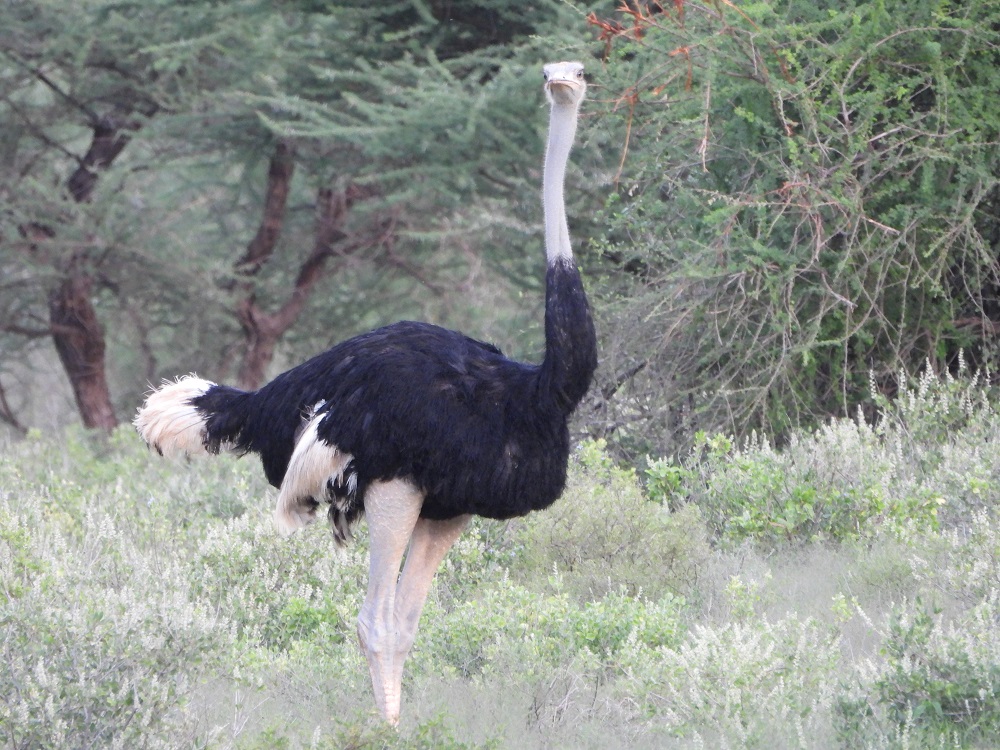
Most people know the Common Ostrich — the world’s largest bird, frequently spotted in the Masai Mara and across sub-Saharan Africa. The Somali ostrich, however, is a distinct species and the defining feature to look for is colour: while the Common Ostrich has pinkish-red neck and legs, the Somali ostrich has vivid blue-grey neck and legs, most intense in males during breeding season.
Once considered a subspecies, the Somali ostrich was officially recognised as a separate species in 2014. It is found in the Horn of Africa and the dry bush country of northern Kenya, making Samburu one of the most accessible places in the world to observe it in the wild.